OUR VALUES
Feed Raw Dog Food
A cornerstone of our dog care strategy is feeding raw dog food. You might be thinking – why raw food? We would counter – why commercially manufactured kibble? Many dog guardians do not realize that “dog food” as a concept is fairly recent. The first commercially available “dog foods” in the United States were canned horse meat, made from slaughtered horses that were no longer needed after World War II. In other words, the original “why” behind commercially manufactured dog food was not “because it’s better for dogs” but rather “because it prevents a financial loss.”
The combination of convenience and perceived luxury helped commercially manufactured dog diets to flourish (and as the profits grew, the offerings became more plentiful and the sense that commercially available dog food was the “norm” began to take hold). Unfortunately, the American dog population began to see other problematic increases – health problems that were rare in dogs who were fed raw meat and table scraps (such as tooth issues, GI problems, dull coats, and weight management struggles) became commonplace. Dogs began to be described as “grazers,” likely in some cases because they found their food unappetizing.
Fortunately, dog lovers worldwide are now turning a more skeptical eye toward the many inventions and advancements of the 1900s that, over time, have proven to do more harm than good – and dog food is no exception. More and more veterinarians and other dog professionals are acknowledging that there was nothing broken with the “feed raw food and table scraps” system of the past, and that kibble created more problems than it solved.
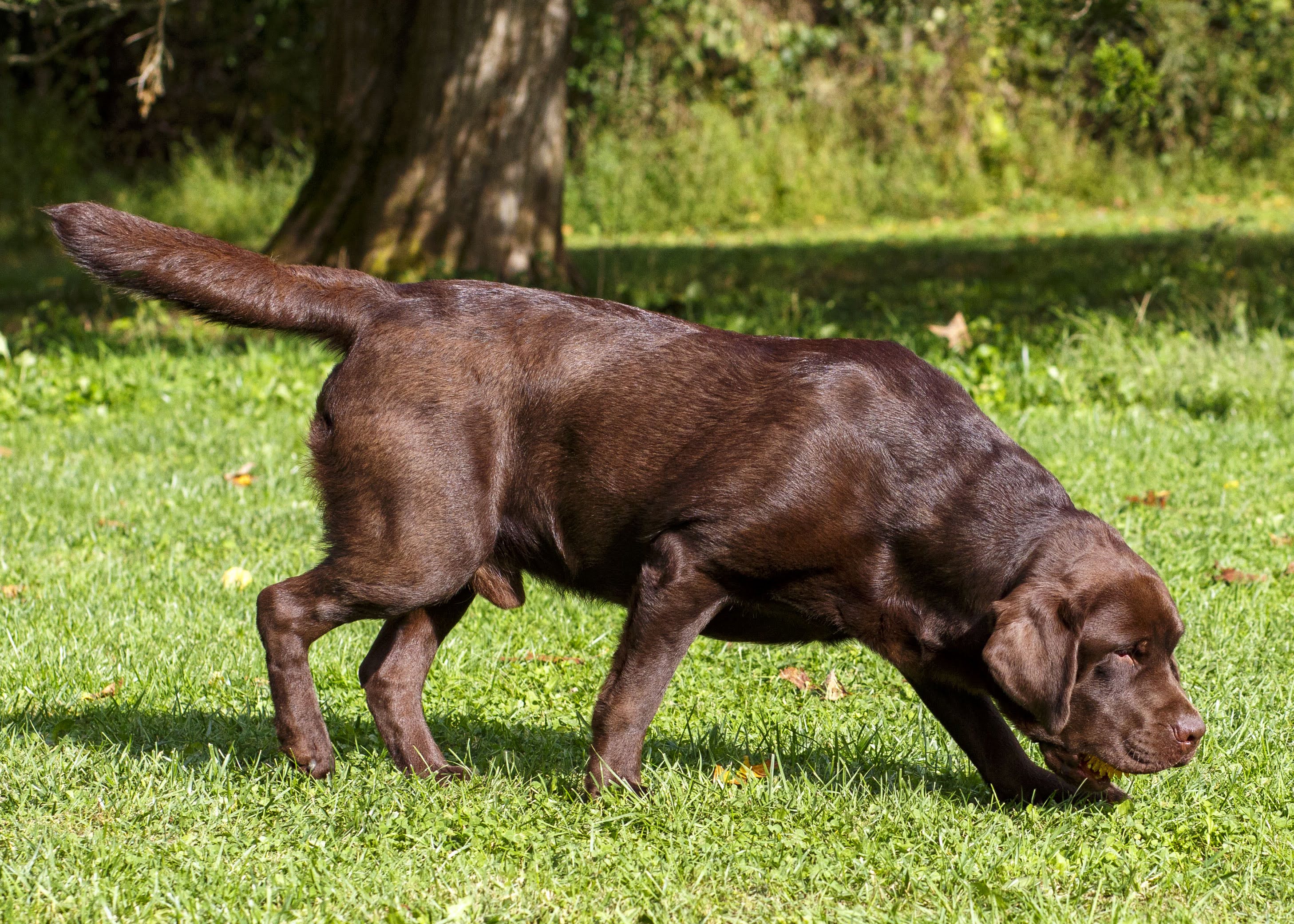
At On The Bluff Labradors, we have observed over the years that our dogs have fewer yeast-related problems, better body conditions, shinier coats, and overall fewer health problems while eating a raw diet. They also LOVE their food! We partner with a local raw dog food seller, State of Nature, to source freshly made raw dog food for all of the dogs on our grounds, including the puppies.
When you bring home a puppy from On The Bluff Labradors, you will also bring home about a month’s worth of raw dog food.
We encourage you to take that month to find a raw dog food seller near you (if you live locally to us, you are welcome to continue to create a food account and continue to buy food from us). While there is always a learning curve when feeding raw food if you’re used to feeding kibble, we think it’s well worth the improved health for your dog.
GIVING TREATS & BONES
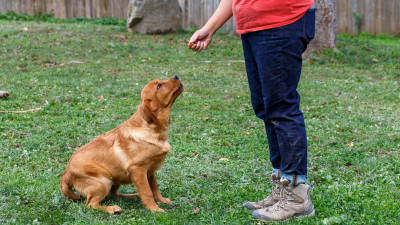
Bones: Raw bones are good for your dog. DO NOT FEED COOKED BONES. They can splinter. When introducing a bone for the first time: Start by holding on to one end of the bone and train your pup to be gentle. If your pup lunges for it, lift it out of their reach and say …...
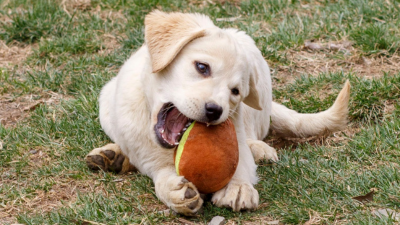
WHY KIBBLE ISN’T ENOUGH
Dogs are mammals, just like us, and they need a wide variety of food as we do. That is one of the many problems with dog food. It is the same, day after day. Can you imagine eating the same processed food every day for the rest of your life? Then why feed it to your...
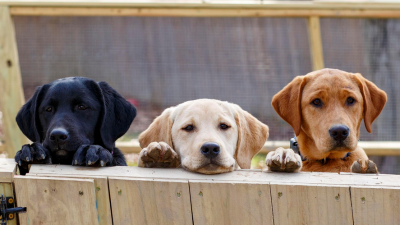
SAMPLE FEEDING MENU
SAMPLE MENU The basis is a mix of our OTB Mix and your own raw diet additions. Monday:Morning: Chicken Back (raw with bone left in)Evening: Plain Beef, chopped kale and broccoli, kefir, some olive oil Tuesday:Morning: On The Bluff MixEvening: Fresh or canned sardines...

FEEDING YOUR NEW PUP
For the next 40 days, your pup will be eating approximately 1 pound of food a day. We do two feedings. We are asking you to buy this food from us so that your pup will be eating exactly what he/she ate here while they get used to your water, your cleaning agents, and...
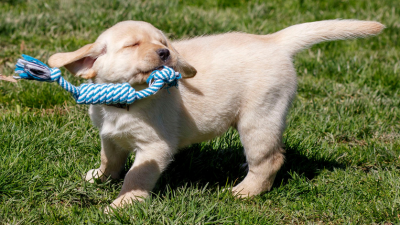
PUPPY VACCINE SCHEDULE
While your pups are with us at On The Bluff, we give them critical health and medical care starting at an early age. We are often asked what vaccinations we do give, considering our stance on minimizing vaccines that are not needed, so here is a basic outline:...
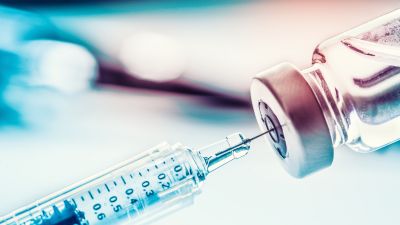
VIDEO: VACCINES
Reduce Vaccinations
At On The Bluff, we vaccinate our puppies against Parvovirus because we clearly see that the benefits of the vaccine (avoiding a common and often-fatal illness) outweigh the risks of the vaccine (side effects are generally few and mild). When you bring home your puppy, you will be legally required to vaccinate your puppy against rabies (which, although rare, is fatal). We see the wisdom in giving these vaccines to On The Bluff puppies.

Many other common dog vaccines do not share the same cost/benefit analysis. For this reason, Dr. Ian Tizzard says in a 2021 Vaccinations for Veterinarians journal article entitled Adverse Consequences of Vaccination that, “[u]nnecessary vaccinations must be discouraged.” Among the most serious reactions to vaccines are anaphylaxis and other hypersensitivity responses (which are sometimes fatal and can cause permanent health problems). These are serious risks that need to be weighed against potential benefits of each vaccine to determine if the vaccine is overall a beneficial choice for the dog.
While this calculation will differ for each dog depending on where they live and their lifestyle, there are a few vaccines that we DO NOT encourage giving to your puppy:
- Lyme Disease Vaccine: the Lyme disease vaccine is typically given annually. Dr. Tizzard surveyed one busy vet practice and found that the Lyme disease vaccine had the highest incidence of adverse reaction of all vaccines offered. Serious adverse reactions to the vaccine can be fatal. In comparison, Lyme disease itself is preventable with tick management and is easily treated with a course of antibiotics and, if needed, anti-inflammatories. In our opinion, taking the annual risk of vaccinating a dog against Lyme disease is not worth the potential benefits of avoiding Lyme disease.
- Bordatella (Kennel Cough) Vaccine: Bordatella is a bacterial infection that can cause symptoms in dogs similar to a human cold. For the average English Labrador, the risk of Bordatella is similar to the risk of the cold to the average person – very low (possibly even lower, because Bordatella can be treated with antibiotics). The Bordatella vaccine must be given every six to twelve months and while adverse events are less common with this particular vaccine, they do still happen. Additionally, the modern Bordatella vaccine protects against two strains of the disease but there are hundreds of strains in the dog population, so even if the dog is vaccinated, they may not be protected from the Bordatella they encounter. In our opinion, the risks of the vaccination do not outweigh the negligible benefit of avoiding Bordatella.
There are other vaccines that we recommend you DO discuss with your vet (ideally a homeopathic vet) to determine if they are necessary for your area. These include:
- Distemper: the distemper vaccine has been known to have some of the most serious adverse reactions of any vaccine. As Dr. Tizzard discusses, after giving the modified live distemper vaccination, “[a]ffected animals may show neurologic signs such as aggression, incoordination, and seizures, or die suddenly.” Distemper itself has a high fatality rate, but it is rare to see Distemper nowadays. The best course of action is to ask your vet if they’ve seen Distemper in your area before making the decision to vaccinate. If you do decide that the vaccine is absolutely necessary, we recommend giving all vaccines separately to avoid overwhelming the puppy’s immune system.
- Leptospirosis: for dogs living in the city, we recommend the Leptospirosis vaccine. Leptospirosis is a sometimes fatal disease that is commonly transmitted in rat urine, so most city dogs will encounter it. The vaccine has been updated so the adverse effects are far fewer than they used to be. In our opinion, the benefits outweigh the risks if you live in the city. If you live in the countryside, we recommend that you discuss the vaccine with your veterinarian to determine if Leptospirosis is endemic in your area.
When it’s time for your annual vet visit, we recommend that you titer your dog before repeating vaccinations. Titering is a process of measuring the dog’s immunity to any given disease, and in many cases, a dog will still be immune based on their previous vaccine when the new vaccine is technically due. If the dog is still immune to the disease, they do not need additional vaccination and the risks of giving the extra vaccines can be avoided altogether.
Finally, for whatever vaccinations you decide to give to your dog, we highly recommend that you give one vaccine at a time. As Dr. Tizzard discusses, “Additional analysis indicated that the risk of adverse events was significantly greater for…dogs that received multiple vaccines on one occasion.” Every vaccine challenges the puppy’s immune system, so allowing the puppy to fully recover from one vaccine before giving the next decreases their chances of serious adverse effects.
Delay Spay & Neuter
The previously held belief was that neutering and spaying was largely protective against cancers and unintended pregnancy, so for many years, spaying and neutering early was considered best practice for dogs.
In the landmark 2020 study, Assisting Decision-Making on Age of Neutering for 35 Breeds of Dogs: Associated Joint Disorders, Cancers, and Urinary Incontinence, veterinarians from UC Davis analyzed the relationship between spay/neuter at various ages and common health problems in dogs. Their results were groundbreaking: in Labrador Retrievers, the incidence of joint disorders in dogs neutered or spayed in the first year of life was two to four times higher than in intact dogs. Following research has helped us understand that neutering and spaying can inhibit complete bone development in adolescent dogs, which puts additional strain on joints. Likewise, “Neutering at the various ages was not associated with any evident increased risk in the cancers.”
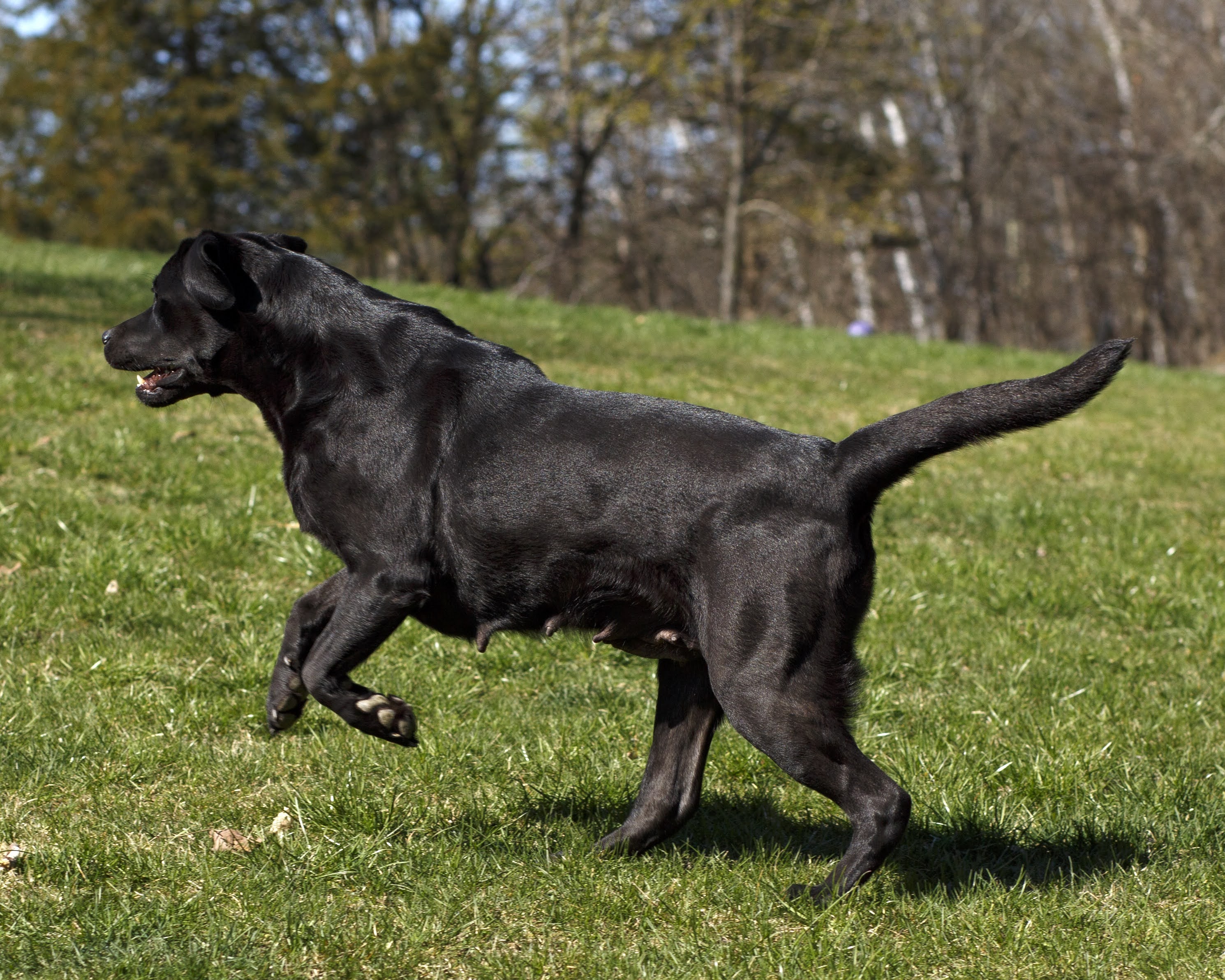
At On The Bluff, we have seen this firsthand in clients who have neutered/spayed early and subsequently struggled with ACL injuries. The 2020 study did not separate English from American Labradors, but we suspect that the benefit of waiting until at least two years of age to spay/neuter (if it all) is the best course of action for English Labs, which are generally stockier and more thickly boned than their American Lab cousins. We require you to agree to keep your puppy intact for two years; we invite you to keep your puppy intact for their entire life given the changing science on the topic and the likelihood that more health benefits of keeping dogs intact may yet be discovered (however, please do not breed them).
The previously held belief was that neutering and spaying was largely protective against cancers and unintended pregnancy, so for many years, spaying and neutering early was considered best practice for dogs.
In the landmark 2020 study, Assisting Decision-Making on Age of Neutering for 35 Breeds of Dogs: Associated Joint Disorders, Cancers, and Urinary Incontinence, veterinarians from UC Davis analyzed the relationship between spay/neuter at various ages and common health problems in dogs. Their results were groundbreaking:
in Labrador Retrievers, the incidence of joint disorders in dogs neutered or spayed in the first year of life was two to four times higher than in intact dogs.
Following research has helped us understand that neutering and spaying can inhibit complete bone development in adolescent dogs, which puts additional strain on joints. Likewise, “Neutering at the various ages was not associated with any evident increased risk in the cancers.”
At On The Bluff, we have seen this firsthand in clients who have neutered/spayed early and subsequently struggled with ACL injuries. The 2020 study did not separate English from American Labradors, but we suspect that the benefit of waiting until at least two years of age to spay/neuter (if it all) is the best course of action for English Labs, which are generally stockier and more thickly boned than their American Lab cousins. We require you to agree to keep your puppy intact for two years; we invite you to keep your puppy intact for their entire life given the changing science on the topic and the likelihood that more health benefits of keeping dogs intact may yet be discovered (however, please do not breed them).

SPAYING, NEUTERING & HEATS
We recommend you never spay or neuter your puppy. If you feel it is necessary to spay or neuter your puppy, please wait until they are fully grown at about 2.5 years of age. Please remember to make sure the veterinarian you are using is a great surgeon, and has dealt...