


Our mission
Dogs are in a unique position in the United States today.
They have been genetically selected for thousands of years for primarily working roles, such as hunting ducks, pulling sleds, and guarding valuables. Early dogs survived by scavenging; later dogs made a way of life by being useful to humans. The more useful they were, the more likely they were to eat well, survive and reproduce. Therefore, we cultivated many breeds with specific, deeply-ingrained behavior patterns to efficiently perform difficult and dangerous work. These task-oriented behaviors include digging, chasing, retrieving, pulling, barking, jumping, tackling, and more.
Very recently – only within the last sixty or so years – we have begun to expect dogs to reverse course and live quiet lives indoors where they generally rest until we call on them for companionship. We expect our scavengers to ignore food on the countertops and sidewalks; to not dig in our gardens; to walk slowly beside us rather than charging toward prey. This can be a challenge!
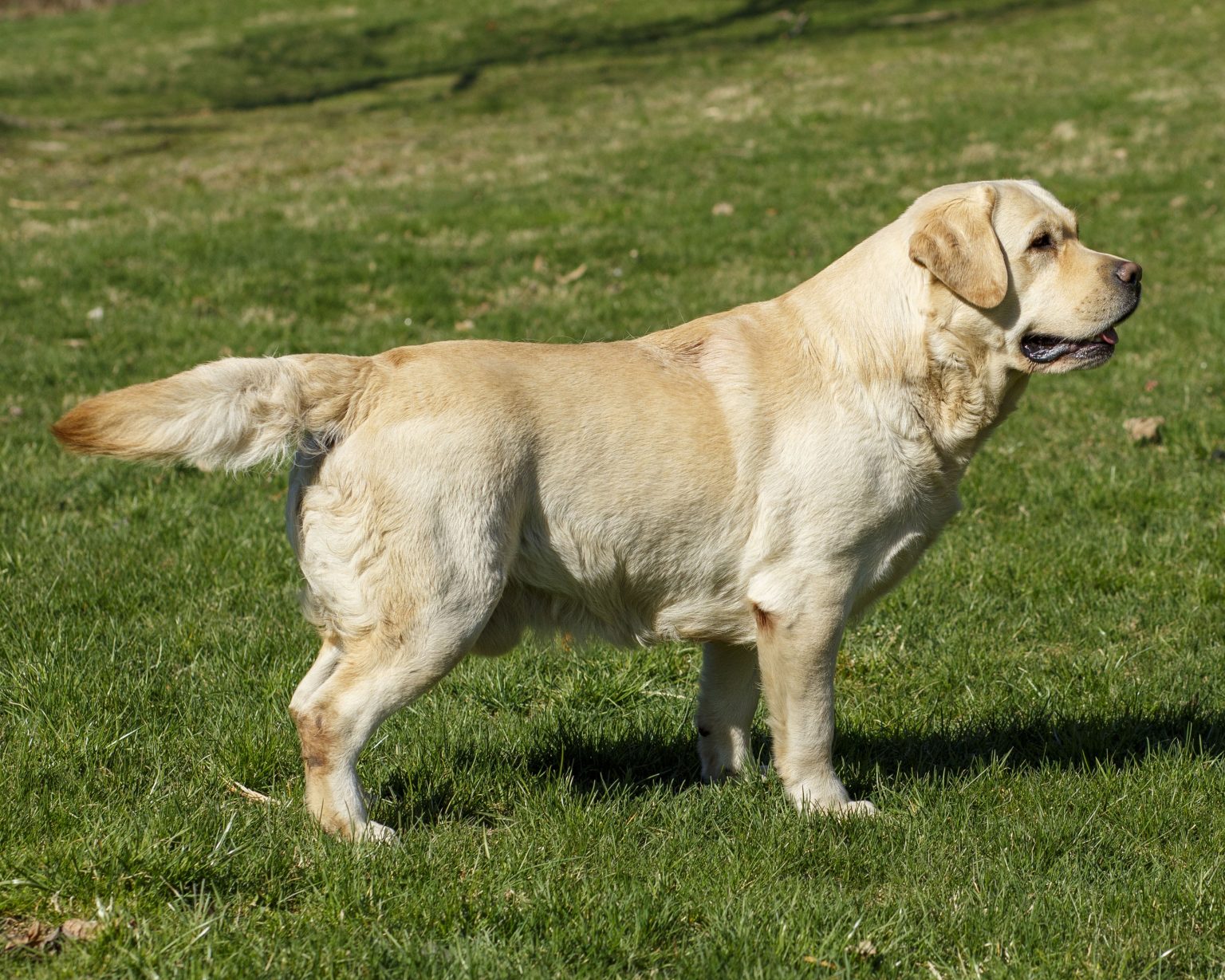
English Labradors were bred to retrieve objects (and sometimes even people!) from fishing boats in frigid waters.
![Mr. Checkers [Atticus/Arabella]](https://staging-wordpress.ontheblufflabradors.com/wp-content/uploads/2024/03/Y30A5281arabellaatticusmrcheckers.jpg "Mr. Checkers [Atticus/Arabella]")
Our dogs carry the behavior patterns of their wild and working ancestors into their modern homes, which can be either harmonious or laborious depending on two main factors:
1) how much overlap is there between the organic behavior of that breed and the expectations of the home; and
2) are the dog’s guardians willing and able to do the work (or hire someone to do the work) to bridge any gaps between their expectations and the dog’s organic behavior?
On The Bluff Labradors seeks to address both points with our Puppy Training Academy.